Research
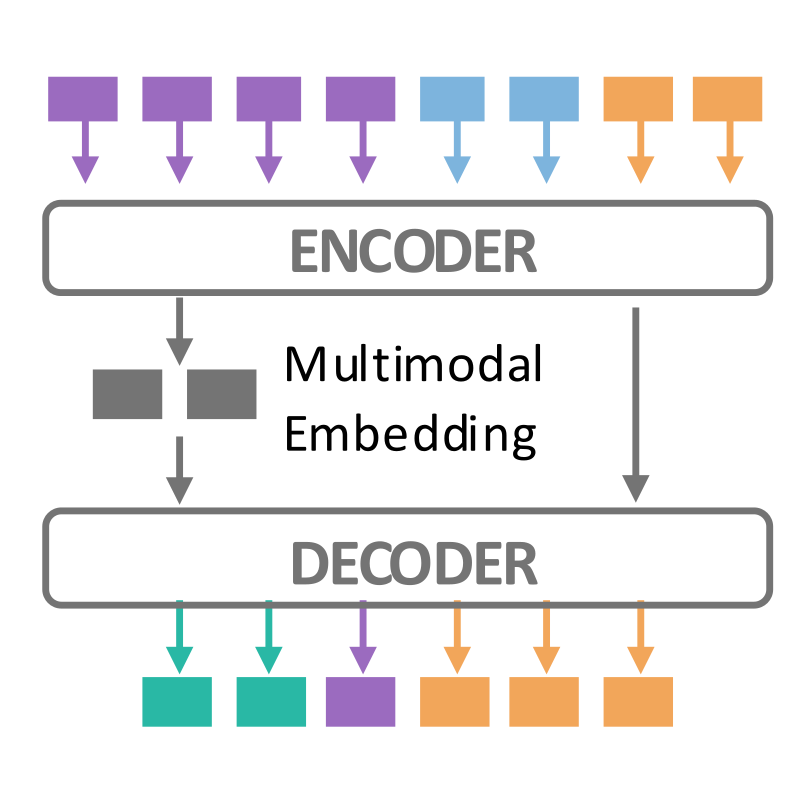
Learning the language of life
We train, investigate, and adapt large foundation models for biomolecular modeling.
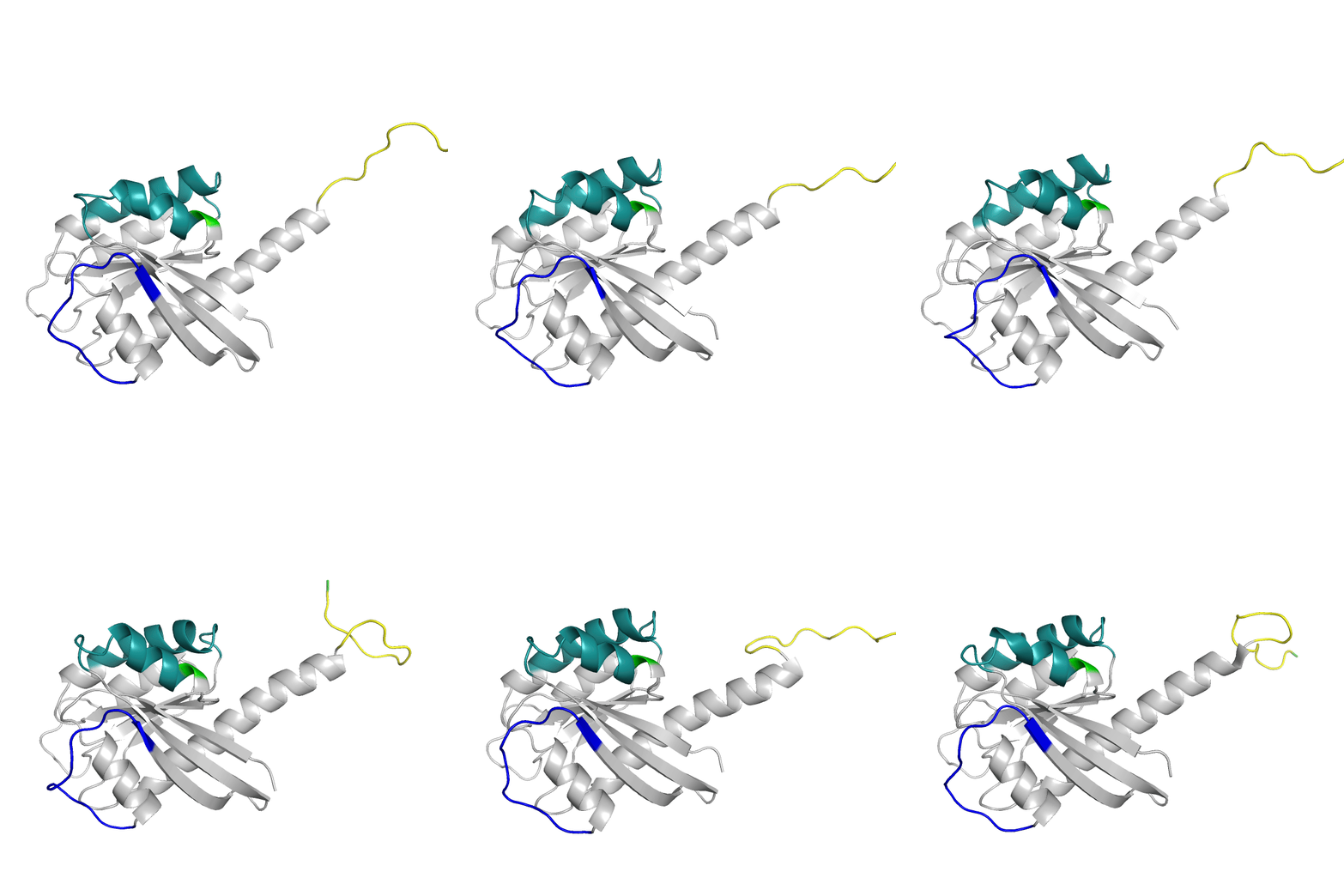
Modeling dynamic allostery
We model the link between structural heterogeneity and molecular function through the lens of allostery.
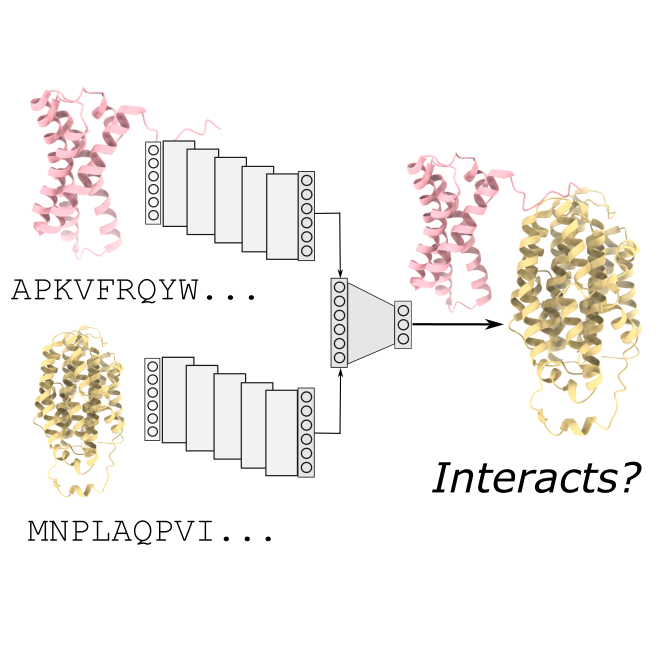
Predicting molecular interactions
We build models for rapid and accurate prediction of protein-protein interaction networks.
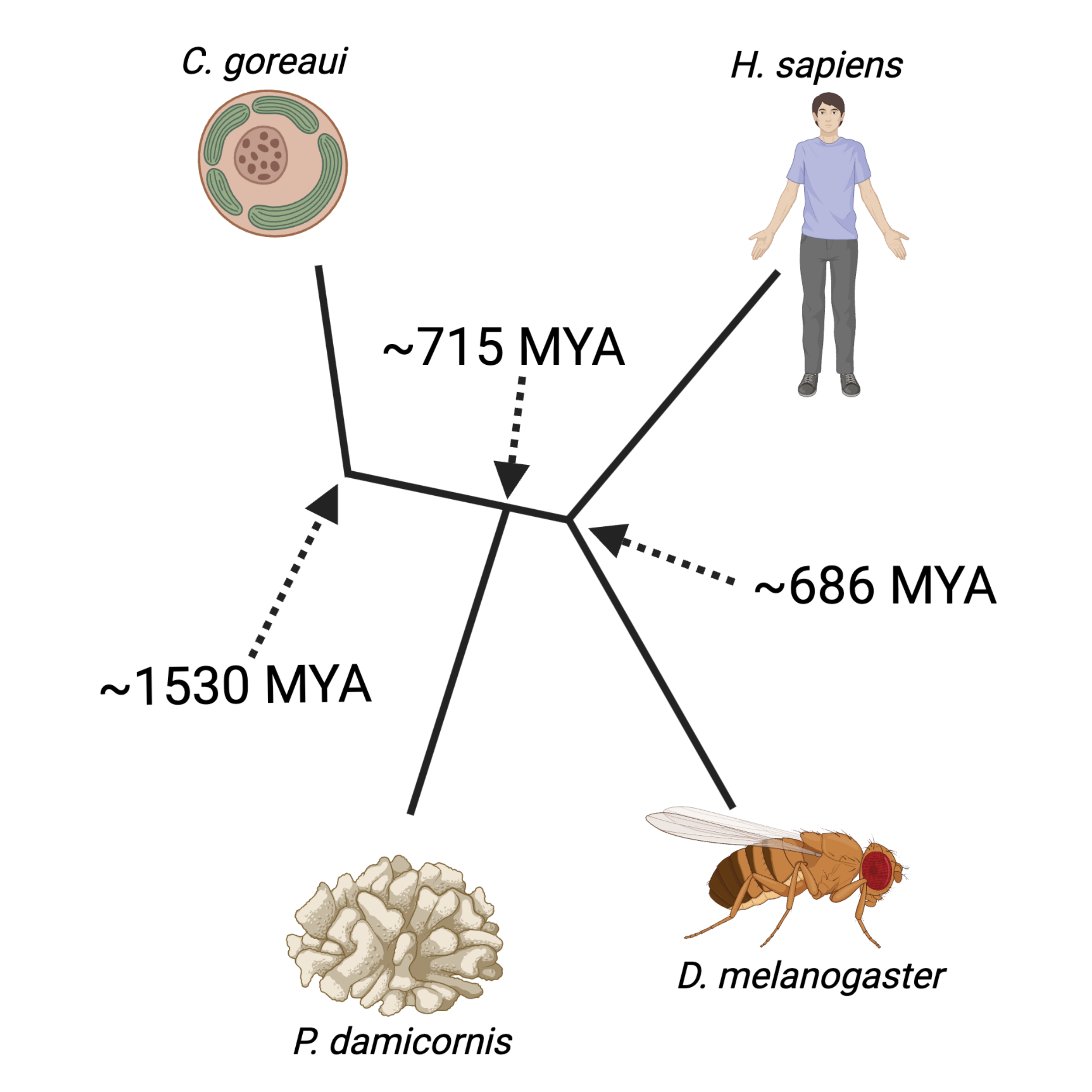
Investigating function in diverse organisms
We develop high-throughput, robust, and generalizable models to study cellular systems across the tree of life.
Learning the language of life
Just as a revolution has occurred in natural language models from unsupervised representation learning on large corpuses of text, biomolecular foundation models trained on protein sequences and structures have emerged as a workhorse technology in molecular machine learning. The lab trains biological foundation models, and builds on them for predicting molecular properties ranging from structural dynamics to high-level function.
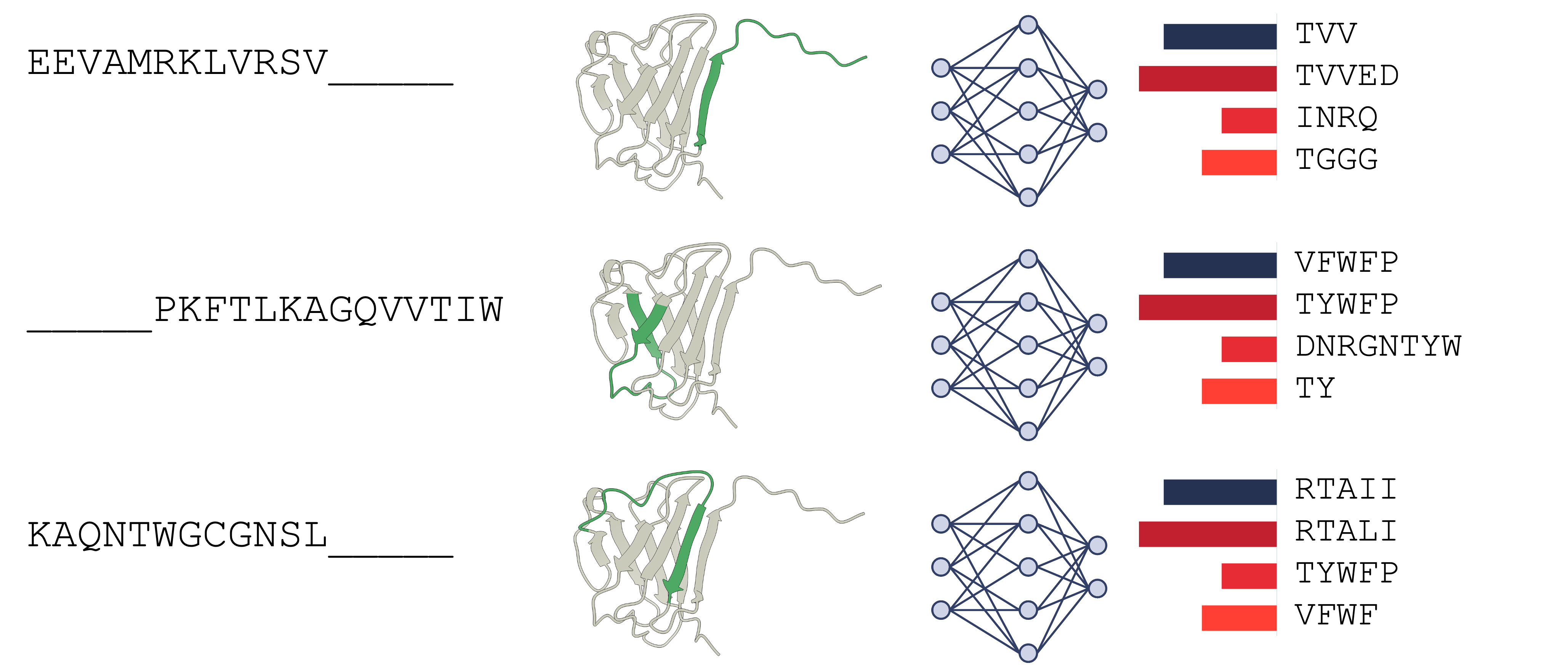
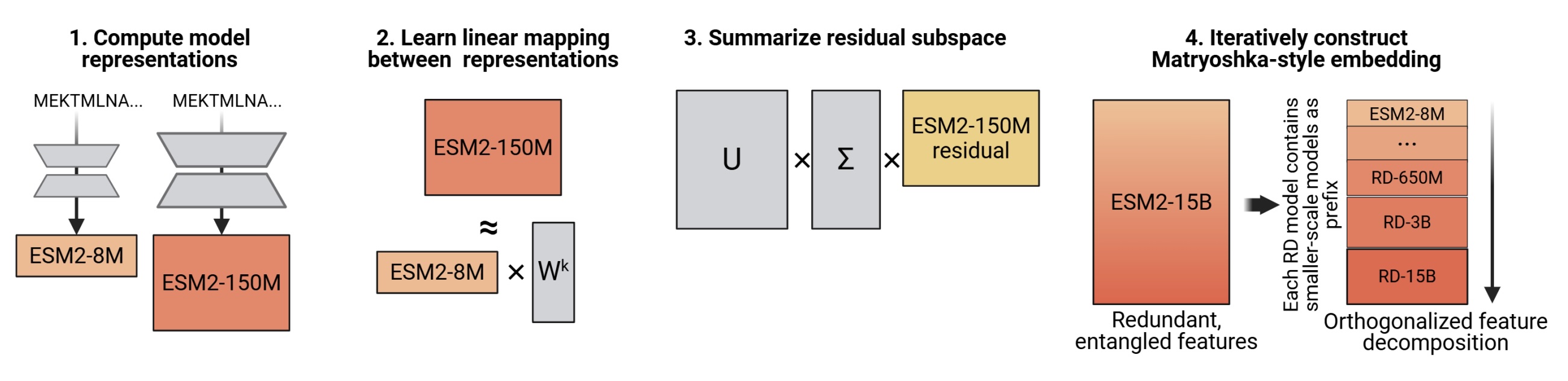
Specifically, we are focused on accessible and efficient use of these foundation models. We have developed methods for parameter-efficient fine-tuning of protein langauge models, and consistently scaling model representations via reverse distillation.
The lab is currently pursuing advances in multi-modal foundation models, and seeks to develop new methods for pre-training and fine-tuning these models to address diverse biomolecular tasks.
Related publications
- MIMIC: A Generative Multimodal Foundation Model for Biomolecules
- Reverse Distillation: Consistently Scaling Protein Language Model Representations
- Democratizing protein language models with parameter-efficient fine-tuning
- Parameter-efficient fine-tuning of protein language models improves prediction of protein-protein interactions
Modeling dynamic allostery
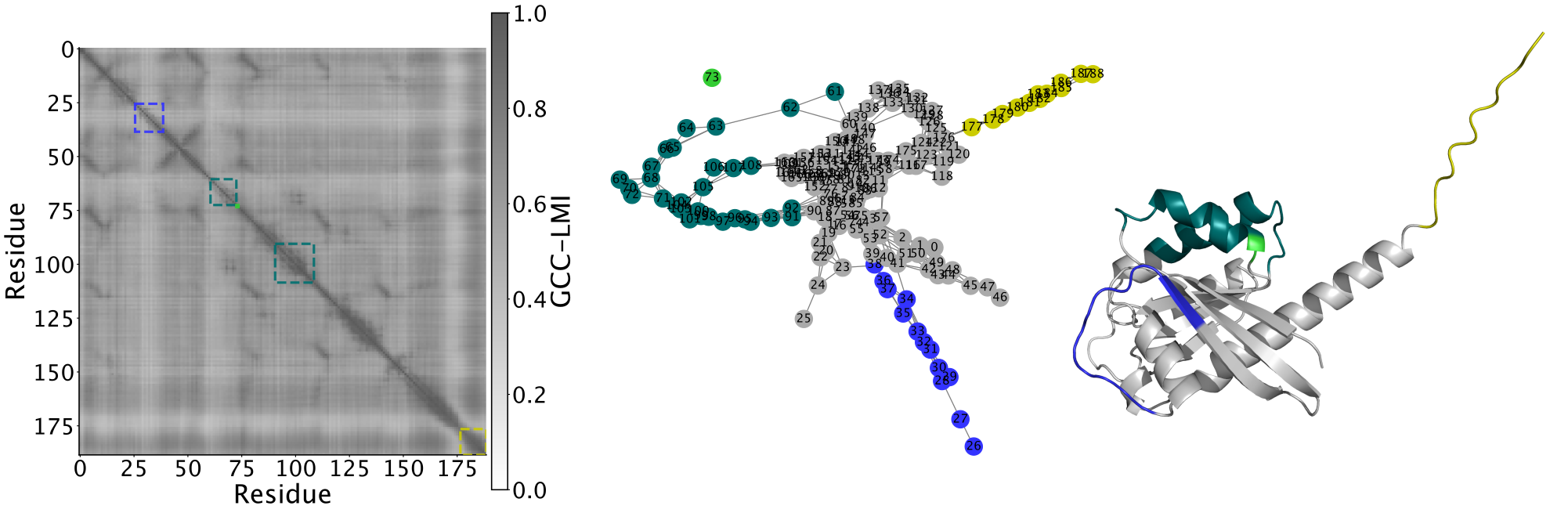
Nearly all proteins exhibit some dynamic behavior, adopting an ensemble of structures rather than a single, fixed structure. These dynamics can offer hints to their function, as a shift in conformation often indicates a change in functional state. Specifically, our lab is interested in allosterically mediated interactions, where binding at an off-target site (red, below) induces a conformational change that allows or accelerates binding at a primary site (blue, below).

We’ve developed methods for sequence- and structure-based prediction of allosteric networks in proteins, where we can identify subsets of residues that exhibit correlated motion. The lab is working on developing methods to predict binding-induced conformational change, and to improve prediction of protein interactions by conditioning on conformational ensembles and allosteric modulators.
Related publications
Predicting molecular interactions
Interactions are the fundamental unit of cellular function. Nearly all molecular function is mediated through protein interactions, yet protein interaction networks remain incomplete and methods for interaction prediction struggle to generalize broadly.
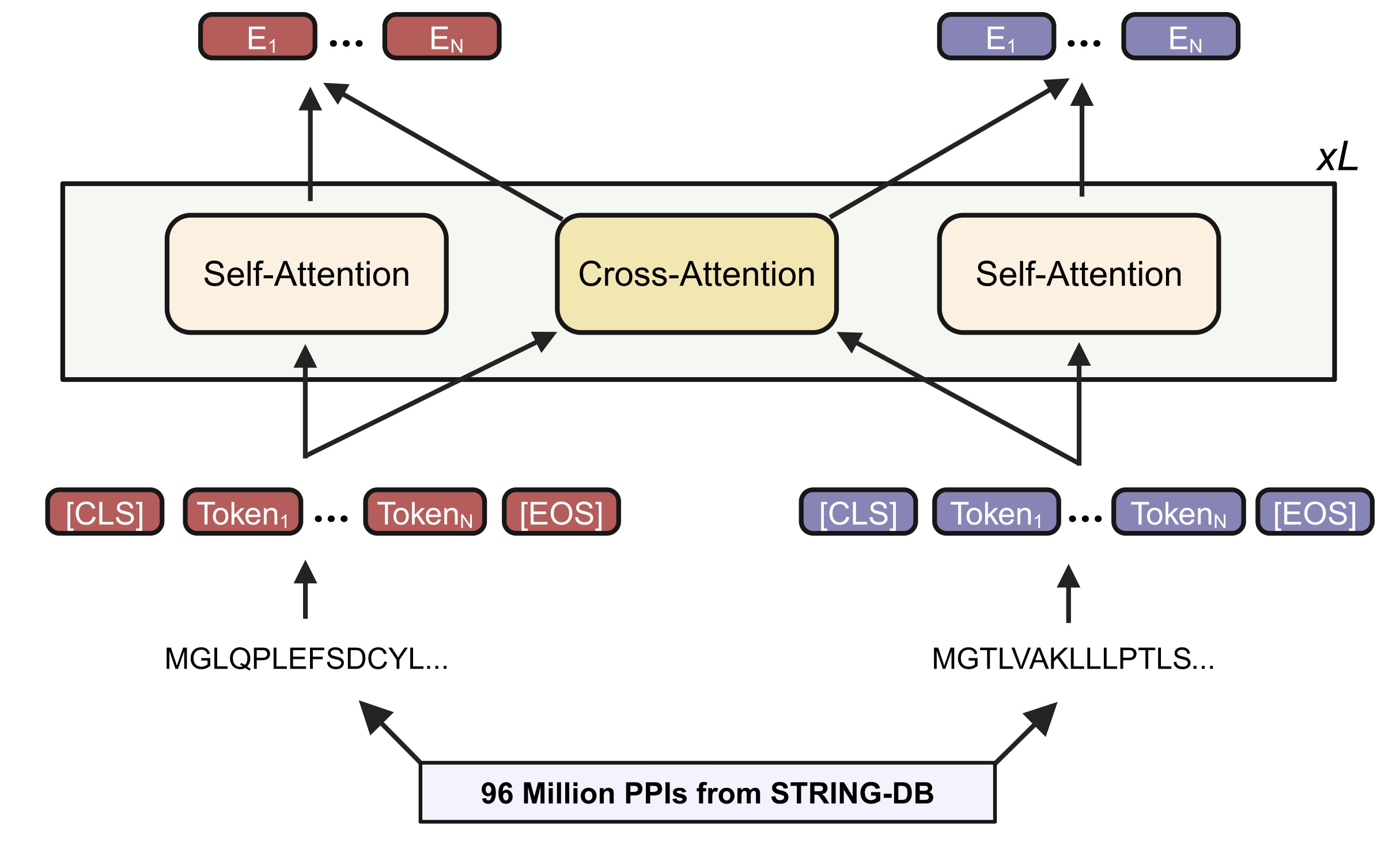
We specialize in developing machine learning methods for high-throughput and accurate protein interaction prediction, and have found success using protein language models and other unsupervised representation methods for this task. Towards this end, we have developed interpretable deep learning models and interaction language models that directly build interaction into the pre-training stage. We aim to push the frontier of these models in terms of throughput, interpretability, and accuracy.
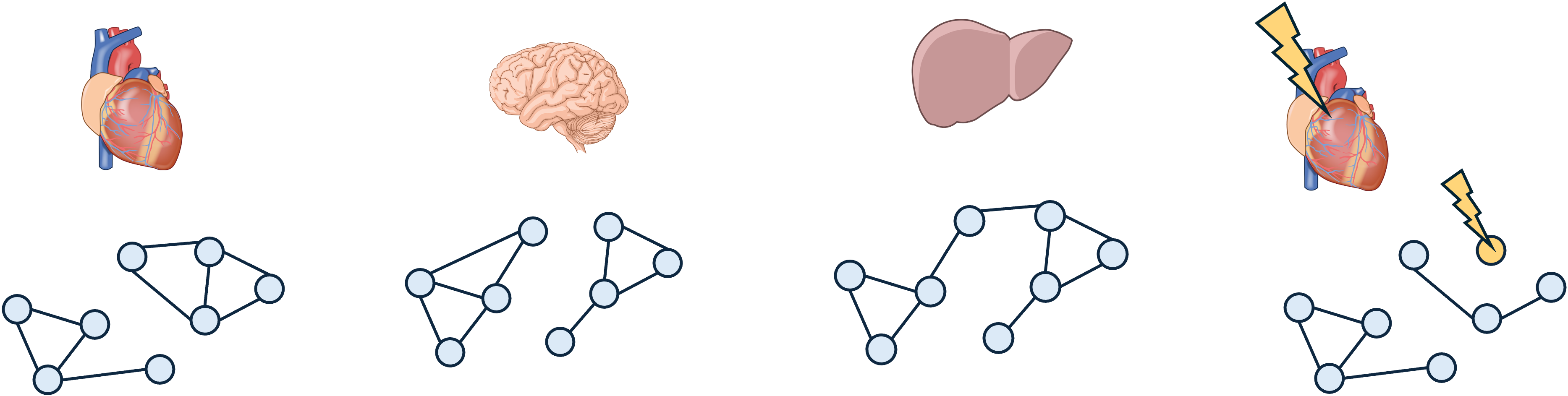
Interaction networks are not necessarily the same in every tissue or cell type. The proteins present, and the interactions they participate in, can vary with cellular context. The lab is currently interested in combining sequence-based interaction predictions with tissue- and cell-type information to distinguish shared interactions from context-specific ones, and to better understand how cellular functions differ across diverse cellular settings.
Related publications
- Learning the language of protein-protein interactions
- Memory-efficient, accelerated protein interaction inference with Blocked, Multi-GPU D-SCRIPT
- TT3D: Leveraging pre-computed protein sequence models to predict protein-protein interactions
- Topsy-Turvy: integrating a global view into sequence-based PPI prediction
- D-SCRIPT translates genome to phenome with sequence-based, structure-aware, genome-scale predictions of protein-protein interactions
Investigating function in diverse organisms
The vast majority of known functional data exists in human and a few of the best-studied model organisms. We have previously shown that models trained on human PPIs enable prediction of interactions in non-model species, and we have developed a multi-stage workflow for detecting clusters of related functional proteins in diverse species. We are broadly interested in developing new methods for remote homology detection, molecular function annotation, and interaction network alignment and clustering.
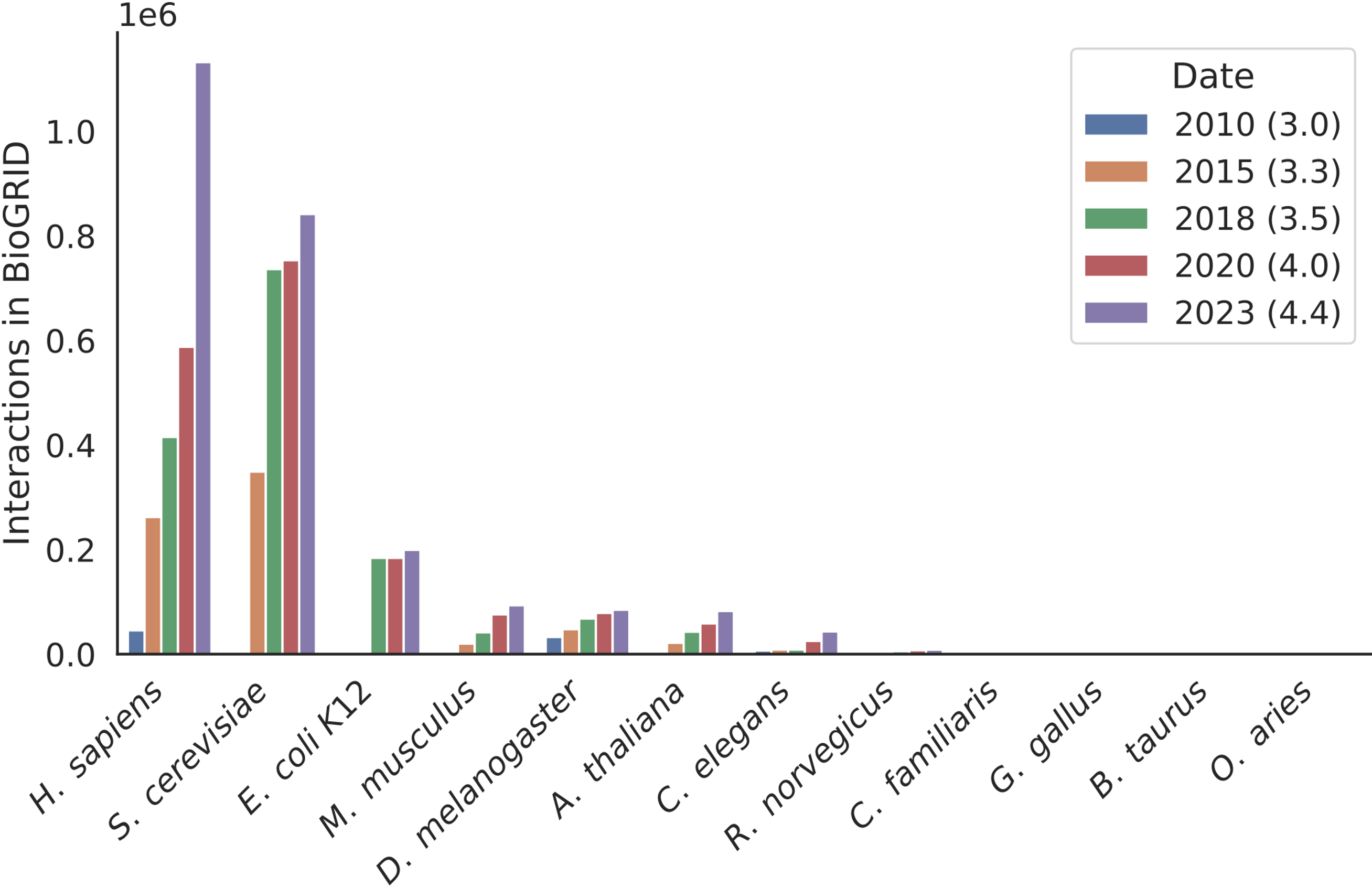
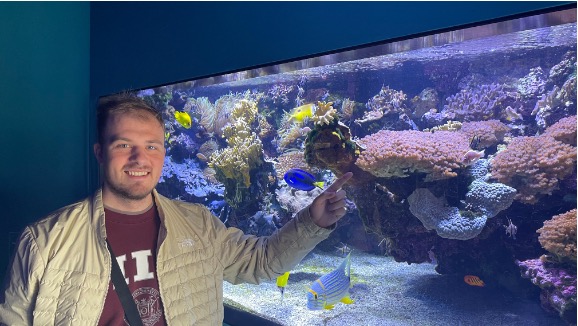
We are currently seeking to expand the coverage of systems function in non-model organisms with the Philharmonic Atlas, and to partner with biologists for deep-dive investigations into discovering new molecular function using our lab’s tools. We are particularly interested in studying membrane receptors, signaling pathways, and host-symbiont or host-pathogen interactions.
Related publications
- Decoding the functional interactome of non-model organisms with PHILHARMONIC
- RDS: A ReCIPE for overlapping community detection in biological networks
- Transfer of knowledge from model organisms to evolutionarily distant non-model organisms: The coral Pocillopora damicornis membrane signaling receptome
- Insulin Signaling and Pharmacology in Corals